Why Tyres Matter
Ever wondered why your car’s performance isn’t living up to its potential? It might be down to your tyres. Yes, those rubber circles connecting your car to the road, the only thing in contact with both the car and the road.
Now, in this comprehensive guide, I’m going to get you rolling for the essentials of car tyres. Understanding the science behind rubber compounds to choosing the right tread for your driving needs, this is your go-to resource. I’ll give you some insights so you can make an informed decision. No fluff. Just actionable advice.
As a car enthusiast and owner, tyres are one of the most important things relating to your car, because the right choice can change everything. It’s the difference between being a chump or a champ.
© Gerd Altmann
The Anatomy of a Tyre
Understanding the anatomy of a tyre is crucial for appreciating its role in your vehicle’s performance and safety. A tyre isn’t just a piece of rubber; it’s a complex assembly of various materials and design innovations working together to provide grip, handling, and durability.
Tyre Construction: Layers and Materials
Every tyre is made up of several layers, each serving a unique purpose. The tread is the outermost layer, made of rubber designed to provide grip on various surfaces. Beneath the tread is the belt layer, typically made of steel, which provides strength and stability. The sidewalls support the weight of the vehicle and protect the inner layers from damage. Finally, the beads secure the tyre to the wheel rim, ensuring a firm seal.
Tread Patterns: Why They Matter
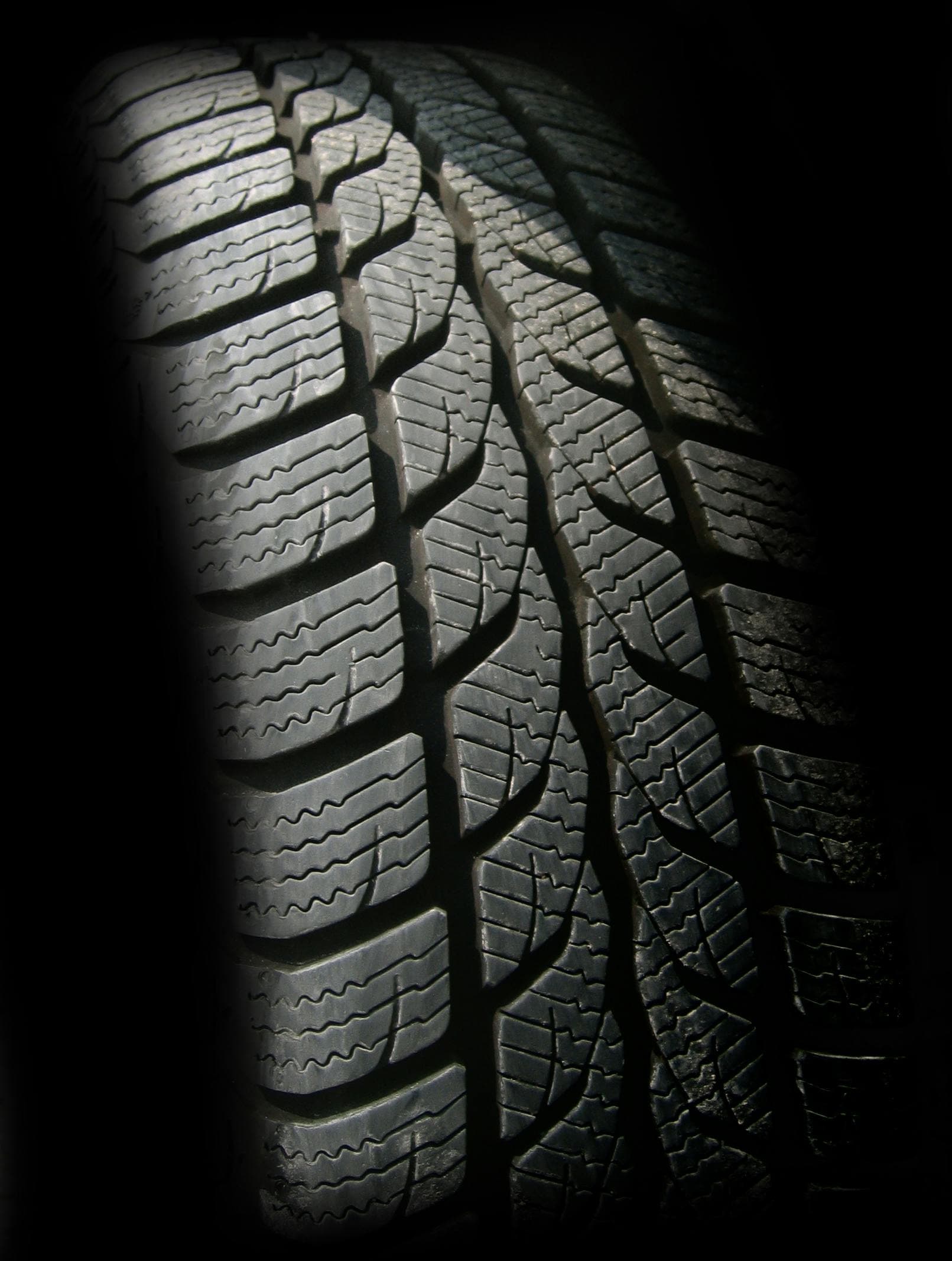
Tread patterns aren’t just for show. They play a critical role in how a tyre performs in different conditions. For instance, a tyre with deep grooves is excellent for dispersing water, reducing the risk of hydroplaning on wet roads. Symmetrical tread patterns are versatile, offering a balanced performance in various driving conditions. On the other hand, asymmetrical patterns are designed for performance, providing better grip during high-speed cornering.
Types of Tyres
Tyres are not one-size-fits-all. The type of tyre you need depends on your driving habits, the climate you live in, and the performance you expect from your vehicle. Let’s break down the most common types.
All-Season Tyres: The Jack-of-All-Trades
As the name suggests, all-season tyres are designed to perform reasonably well in a variety of conditions, from dry roads to light snow. They offer a balanced performance, making them a popular choice for everyday driving. However, while they do many things well, they don't excel in extreme conditions—neither in hot summers nor harsh winters.
Summer Tyres: Optimised for Warm Weather
If you live in a region where temperatures rarely drop below freezing, summer tyres might be your best bet. These tyres are made with a softer rubber compound that provides excellent grip on both dry and wet roads. However, they lose their effectiveness in cold conditions, becoming hard and less grippy.
Winter Tyres: For the Wet & Snowy Roads
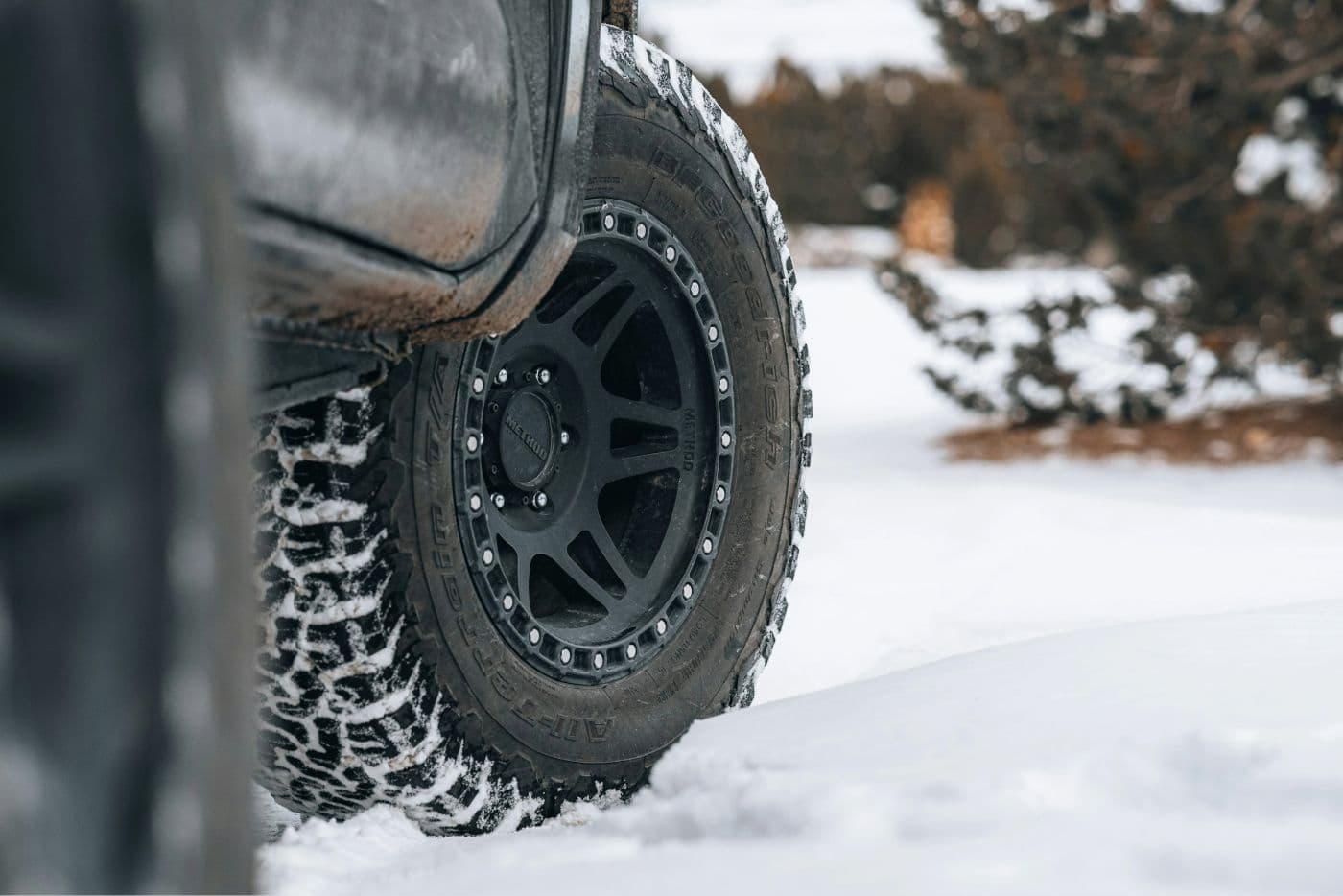
When the temperatures drop and roads become wet and slippery, winter tyres come into their own. These tyres are made from a special rubber compound that remains flexible in freezing temperatures. The tread patterns are designed to bite into snow and ice, providing superior traction when you need it most.
Performance Tyres: For the Speed Enthusiasts
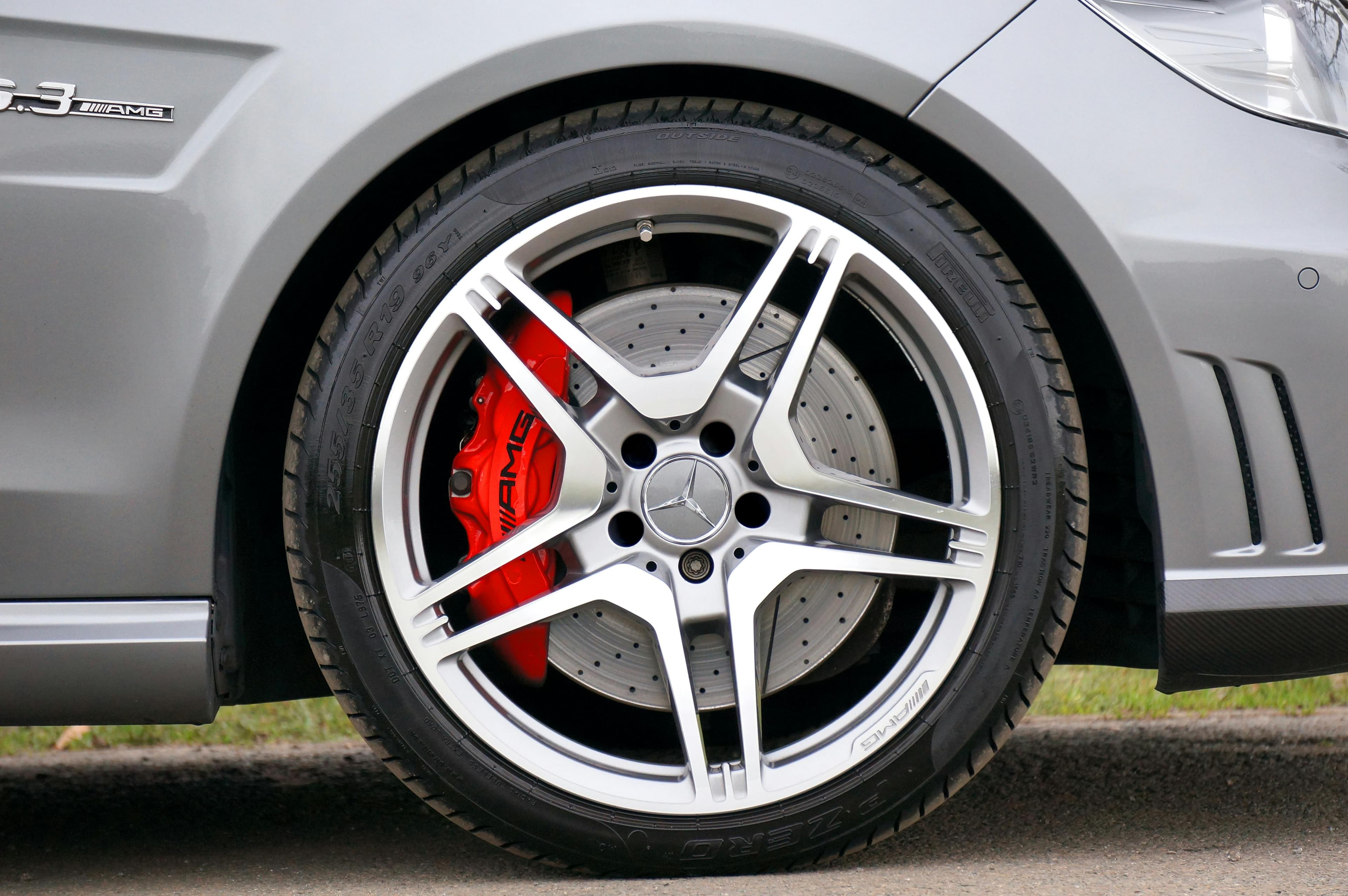
If you’re someone who enjoys pushing your car to its limits, performance tyres are designed for you. These tyres offer enhanced handling and grip at high speeds, thanks to their unique tread patterns and soft rubber compounds. However, they tend to wear out faster and aren’t suitable for all-weather use.
Off-Road Tyres: Tackling the Tough Terrain
For those who venture off the beaten path, off-road tyres are a must. These tyres feature aggressive tread patterns designed to dig into mud, sand, and rocks. They’re built to withstand the harsh conditions of off-roading but may be overkill for regular highway driving.
© National Highway Traffic Safety Administration
Understanding Tyre Specifications
Choosing the right tyre involves more than just picking a type. You also need to understand the specifications that determine how the tyre will perform.
Ever looked at the side of your tyre and wondered what all those numbers and letters mean? These markings tell you everything you need to know about your tyre’s specifications. The tyre size, load index, and speed rating are all found here, providing essential information for selecting the right tyre for your vehicle. Understanding these markings can ensure you buy the right thing the first time.
Tyre Size: What the Numbers Mean
Tyre sizes are expressed in a series of numbers and letters, like P215/65R15. The first number represents the width of the tyre in millimetres, while the second number is the aspect ratio (the height of the sidewall as a percentage of the width). The letter indicates the tyre’s construction type, and the final number is the diameter of the wheel in inches. Understanding these numbers helps ensure that you select a tyre that fits your vehicle properly.
Load Index and Speed Rating: Knowing Your Limits
The load index indicates the maximum weight a tyre can support, while the speed rating tells you the maximum speed at which the tyre can safely operate. Both of these ratings are crucial for safety. Overloading a tyre or exceeding its speed rating can lead to tyre failure, which can be catastrophic.
UTQG Ratings: Treadwear, Traction, and Temperature
The Uniform Tire Quality Grading (UTQG) system provides ratings for tread-wear, traction, and temperature resistance. Tread-wear is measured on a comparative scale where higher numbers indicate longer wear. Traction grades range from AA to C, with AA being the highest rating and providing the best grip on wet surfaces, followed by A, B, and then C. The temperature rating indicates how well the tyre can dissipate heat, which is critical for high-speed driving.
The Science Behind Tyres
Tyres are where the rubber meets the road—literally. The science behind them involves a delicate balance of chemistry, physics, and engineering.
Rubber Compounds: Balancing Grip and Durability
The rubber compound used in a tyre is a carefully engineered mix of natural and synthetic rubbers, along with various additives. The goal is to find the right balance between grip and durability. A softer compound provides better grip but wears out faster, while a harder compound lasts longer but may not provide the same level of traction.
Tyre Pressure: The Importance of Proper Inflation
Maintaining the correct tyre pressure is crucial for both performance and safety. Under-inflated tyres can lead to poor handling and increased fuel consumption, while over-inflated tyres can cause a harsh ride and uneven wear. It’s essential to check your tyre pressure regularly, especially during seasonal changes when temperatures fluctuate.
Rolling Resistance: How It Affects Fuel Efficiency
Rolling resistance refers to the force required to keep a tyre moving at a constant speed. Lower rolling resistance means the tyre requires less energy to move, which can improve fuel efficiency. However, reducing rolling resistance often involves trade-offs with grip and handling, so it’s essential to find the right balance for your driving needs.
© Mike Birdy
Choosing the Right Tyres for Your Vehicle
Selecting the right tyres for your vehicle involves considering several factors, from your driving style to your budget.
Match Your Driving Style: Daily Commuter vs. Performance Driver
If you’re a daily commuter who spends most of your time driving on highways and streets, all-season or touring tyres are probably your best bet. They offer a good balance of comfort, longevity, and fuel efficiency. On the other hand, if you’re a performance driver who enjoys taking your car to the track or driving spiritedly on twisty roads, performance tyres will provide the grip and handling you need.
Climate Considerations: How Weather Impacts Your Choice
The climate where you live plays a significant role in choosing the right tyres. If you experience harsh winters, winter tyres are a must. However, if you live in a region with mild weather, all-season tyres might suffice. For those in hot climates, summer tyres could offer better performance and longevity.
Budget vs. Performance: Finding the Sweet Spot
Tyres can be a significant investment, and it’s essential to balance budget and performance. While it might be tempting to opt for the cheapest option, remember that tyres are one of the most critical components of your vehicle. They directly impact safety, handling, and fuel efficiency. It's often worth spending a bit more to get a quality set that will perform well and last longer. Consider your driving habits, the typical conditions you face, and your performance expectations when deciding where to allocate your budget.
Tyre Maintenance Tips
Even the best tyres require regular maintenance to ensure they perform at their best and last as long as possible. Here are some essential tips to keep your tyres in top shape.
Regular Inspections: What to Look For
Frequent inspections are key to identifying potential issues before they become serious. Look for signs of uneven wear, cuts, punctures, or objects lodged in the tread. Also, check the tyre pressure at least once a month and before long trips. Properly inflated tyres will wear more evenly and improve fuel efficiency.
Tyre Rotation: Why and When It’s Necessary
Tyre rotation is the process of moving tyres from one position on the vehicle to another. This helps to ensure even wear across all tyres. It’s generally recommended to rotate your tyres every 5,y000 to 8,000 miles. The pattern of rotation may vary depending on whether your car is front-wheel drive, rear-wheel drive, or all-wheel drive, so check your vehicle’s manual or consult a professional.
Balancing and Alignment: Keeping Your Ride Smooth
Tyre balancing and wheel alignment are crucial for maintaining smooth driving and preventing uneven tyre wear. Balancing ensures that the tyre and wheel weight is evenly distributed, while alignment adjusts the angles of the wheels to the manufacturer’s specifications. Misalignment can cause your car to pull to one side and lead to rapid tyre wear, so it’s important to get it checked regularly, especially if you notice any unusual handling characteristics.
When to Replace Your Tyres
Even with proper maintenance, all tyres eventually wear out and need to be replaced. Knowing when it’s time to get new tyres can prevent accidents and keep your vehicle performing at its best.
Tread Depth: What's the Limit?
One of the simplest ways to check if your tyres need replacing is the penny test. Insert a penny into the tread with Lincoln’s head facing down. If you can see the top of Lincoln’s head, your tread depth is less than 2/32 of an inch or 1.6mm, and it’s time to replace your tyres. The same works in the United Kingdom with a 20 pence piece. If the outer band is showing, they're goners.
While the penny test is a quick and easy method, using a tread depth gauge is how you will get a precise measurement. Tread depth gauges aren't expensive, and they'll give you a much more accurate reading so you know the true amount of tread remaining.
Signs of Wear and Tear: Cracks, Bulges, and Vibrations
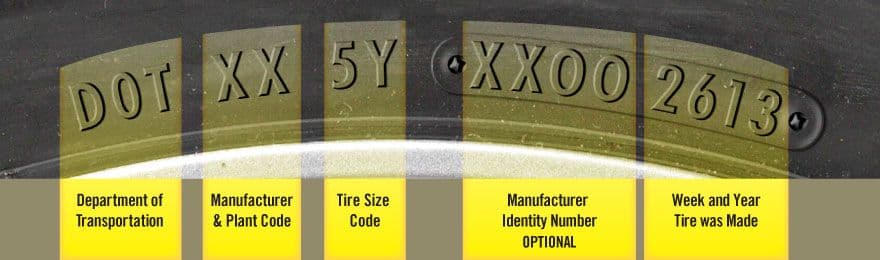
Tyres have a shelf life, even if they’ve never been used. Most manufacturers recommend replacing tyres every six years, regardless of mileage. Over time, the rubber compounds in the tyre degrade, leading to a loss of performance and an increased risk of blowouts. You can check the age of your tyres by looking at the DOT code on the sidewall, which indicates the week and year the tyre was manufactured.
© Isaac Mitchell
Coming to a Stop
Tyres are an essential part of your vehicle’s safety and performance. By understanding the different types of tyres, their specifications, and how to maintain them properly, you can make informed decisions that enhance your driving experience. It shouldn’t come as a surprise that driving in winter will vastly differ from driving in summer in climates with both cold and hot seasons. Now you know the importance of being prepared for the right driving conditions. Regular maintenance and timely replacements are key to getting the most out of your tyres, ensuring a smooth and safe ride.
When it comes to choosing the right tyres, consider your driving habits, the climate, and your budget. Investing in quality tyres and maintaining them properly can make a significant difference in your vehicle’s performance and longevity. So next time you’re in the market for new tyres, remember the insights from this guide and make a choice that keeps you safe and satisfied on the road.