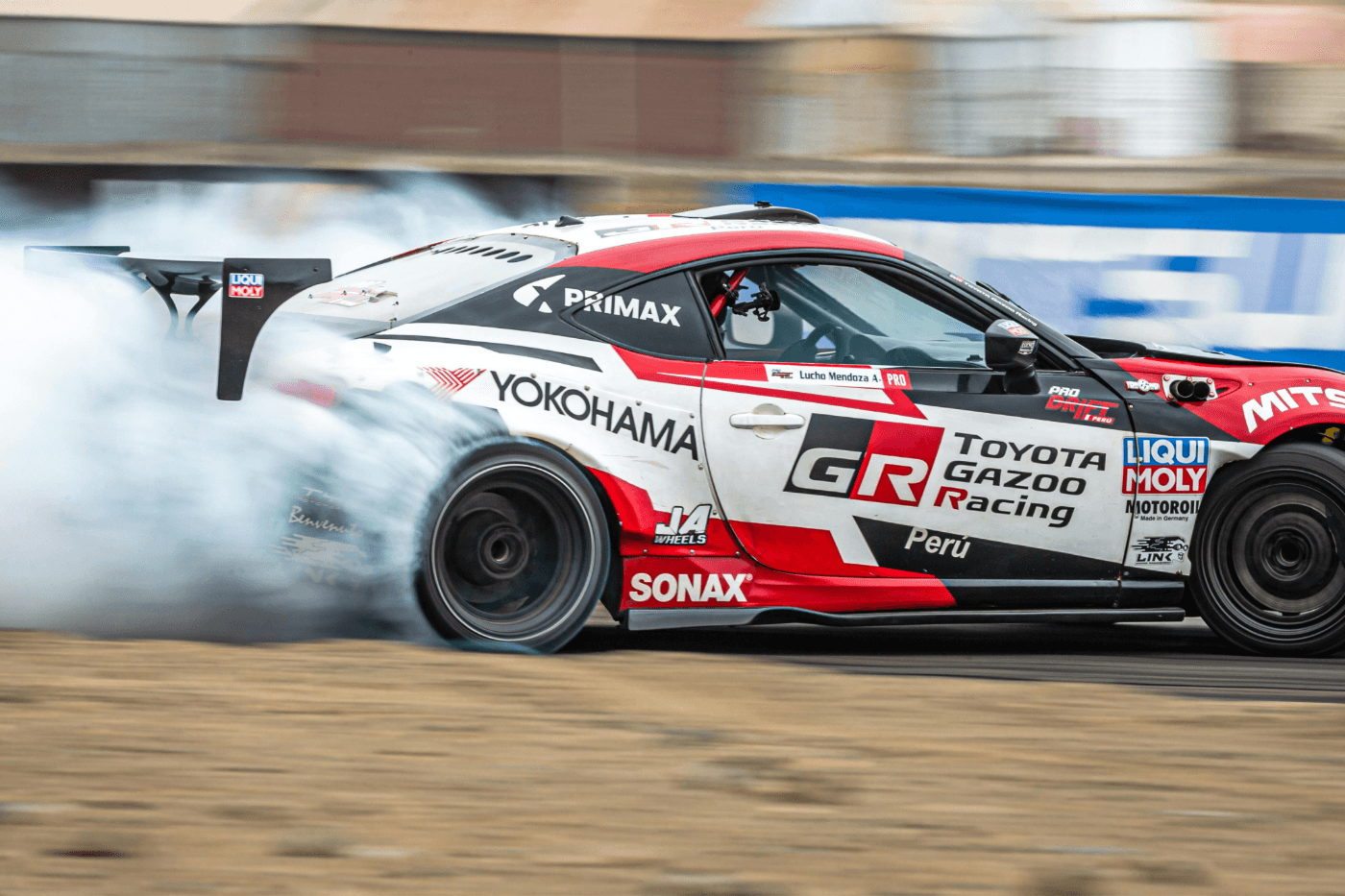
You are watching a car drop two seconds per lap in the space of three laps. The commentator says the tyres are gone. What they have not told you, and what most people watching never find out, is what the car was doing to them.
Tyre degradation is one of the most misread metrics in motorsport. Most people see it as a countdown, a number of laps before the car slows down and pits. Engineers see something else entirely. They see a live readout of everything the car is doing mechanically, how the suspension is loading the contact patch, whether the aero balance is right, and if the driver is asking more of one end of the car than the other. Every wear pattern is a data point. Every blister and every grain is the tyre communicating something the setup has failed to resolve.
That shift from viewing degradation as an outcome to using it as a diagnostic tool changes how you watch a race.
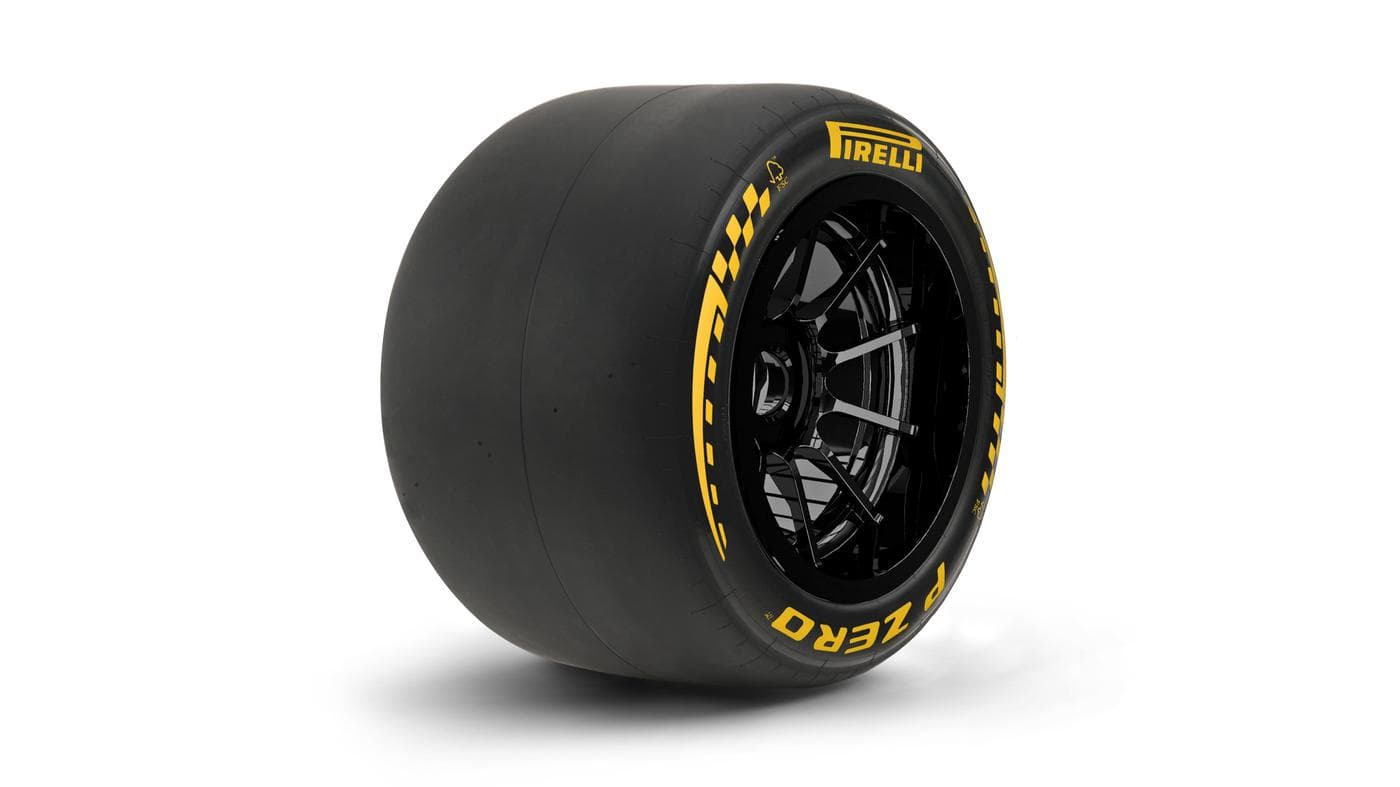
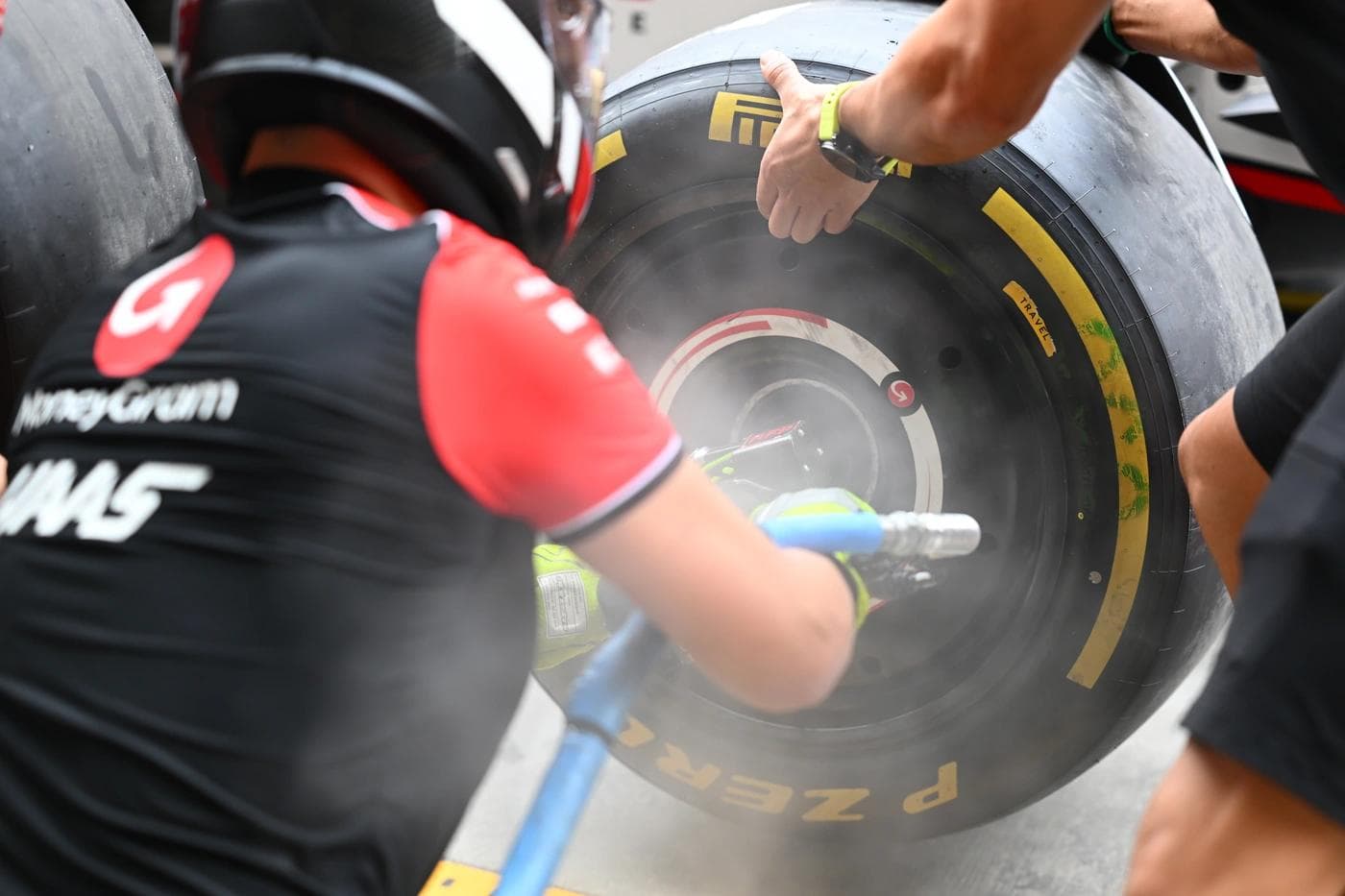
PIRELLI F1 P Zero Medium Rear 34
© Pirelli
The Tyre Is Not the Problem
The most important thing to understand about tyre degradation is that the tyre is rarely the source of the issue. It is the receiver of it.
An F1 car generates cornering forces that can exceed five times the force of gravity. A GT3 car corners at lower peak loads but sustains them for longer, often through slower, tighter circuits where mechanical grip matters more than aerodynamic load. A rally car operates on surfaces that change between every stage, sometimes within a single stage. In each case, the tyre is the interface between the car and the surface, and everything the car does, every setup decision, every aero configuration, every suspension geometry choice, eventually expresses itself through that interface.
When a tyre degrades faster than predicted, the question is never simply what happened to the tyre. The question is what the car was doing to it.
There are two primary mechanisms of degradation:
- Mechanical wear is the physical removal of rubber from the contact patch through friction and load.
- Thermal degradation is the breakdown of grip caused by temperature exceeding the tyre's operating window, sometimes without obvious surface wear at all.
In practice, these two mechanisms are rarely as clean and separate as a textbook presents them. A car with a poor aero balance will overstress a particular axle, generating excess heat through that contact patch, which accelerates thermal breakdown, which then produces surface wear that looks mechanical. The root cause is aerodynamic. The symptom is a worn tyre. Reading one without understanding the other produces the wrong diagnosis.
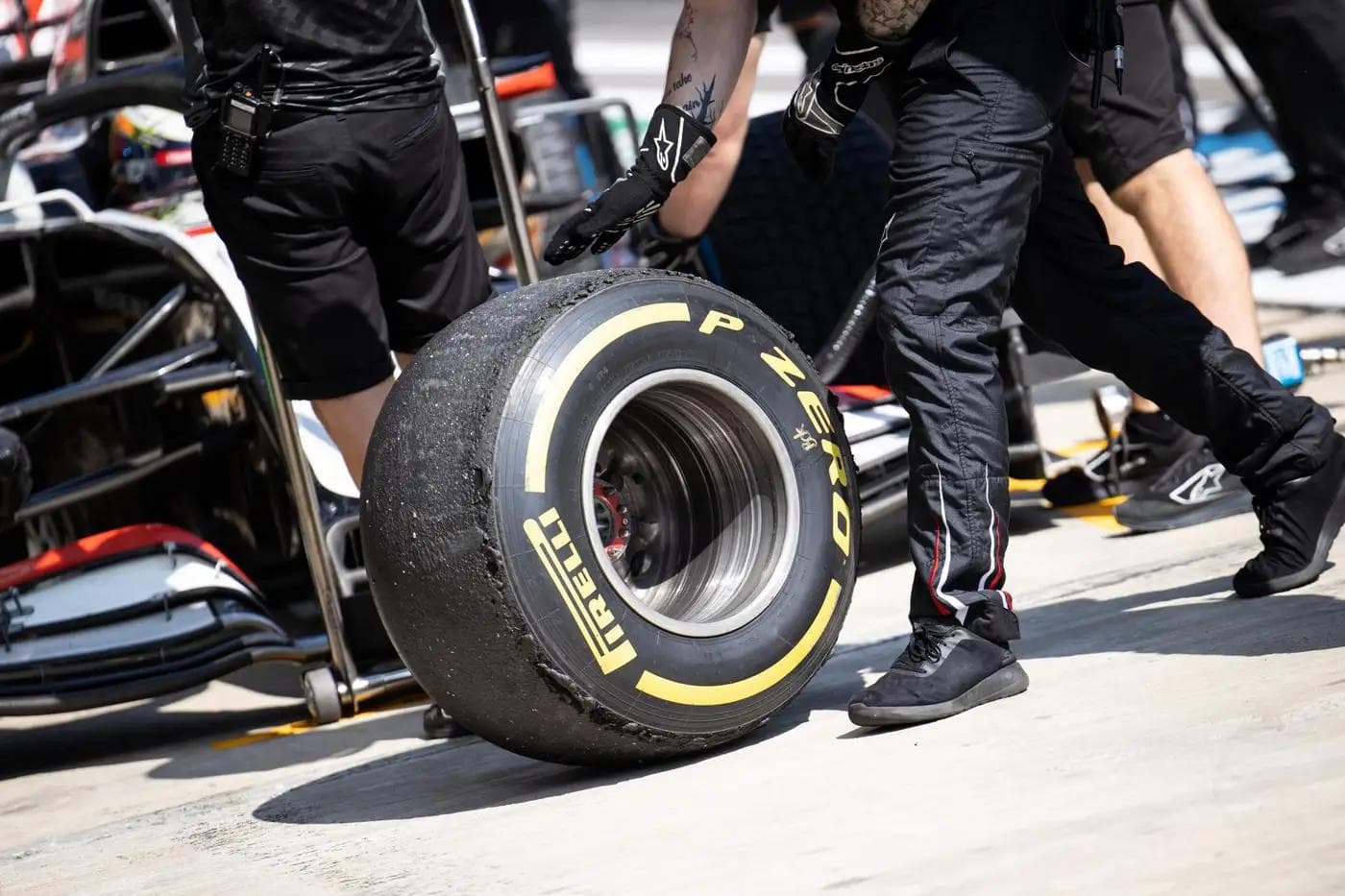
What the Wear Pattern tells us
Tyre wear is not uniform, and the pattern of degradation is where the diagnostic information lives.
Edge wear on the front tyres, concentrated at the outer shoulder, typically points to excessive camber or a car that is generating too much lateral load through the front axle. In an F1 context, this often reflects an aero imbalance pushing too much downforce to the front of the car. In GT3, where teams have more freedom with mechanical setup and less aerodynamic adjustment available, the same wear pattern points more directly to geometry, camber angles, toe settings, or suspension stiffness that is placing the car's weight unevenly through the corner.
Centre wear, where the middle of the tread degrades faster than the edges, usually reflects overinflation or a car that is running too stiff, forcing the contact patch to bow and reducing the area in contact with the road. This is more common in touring car racing, where tyre regulations are tight, and teams have fewer levers to pull. It’s often a sign that a setup compromise has been made to suit a specific circuit characteristic at the expense of tyre loading.
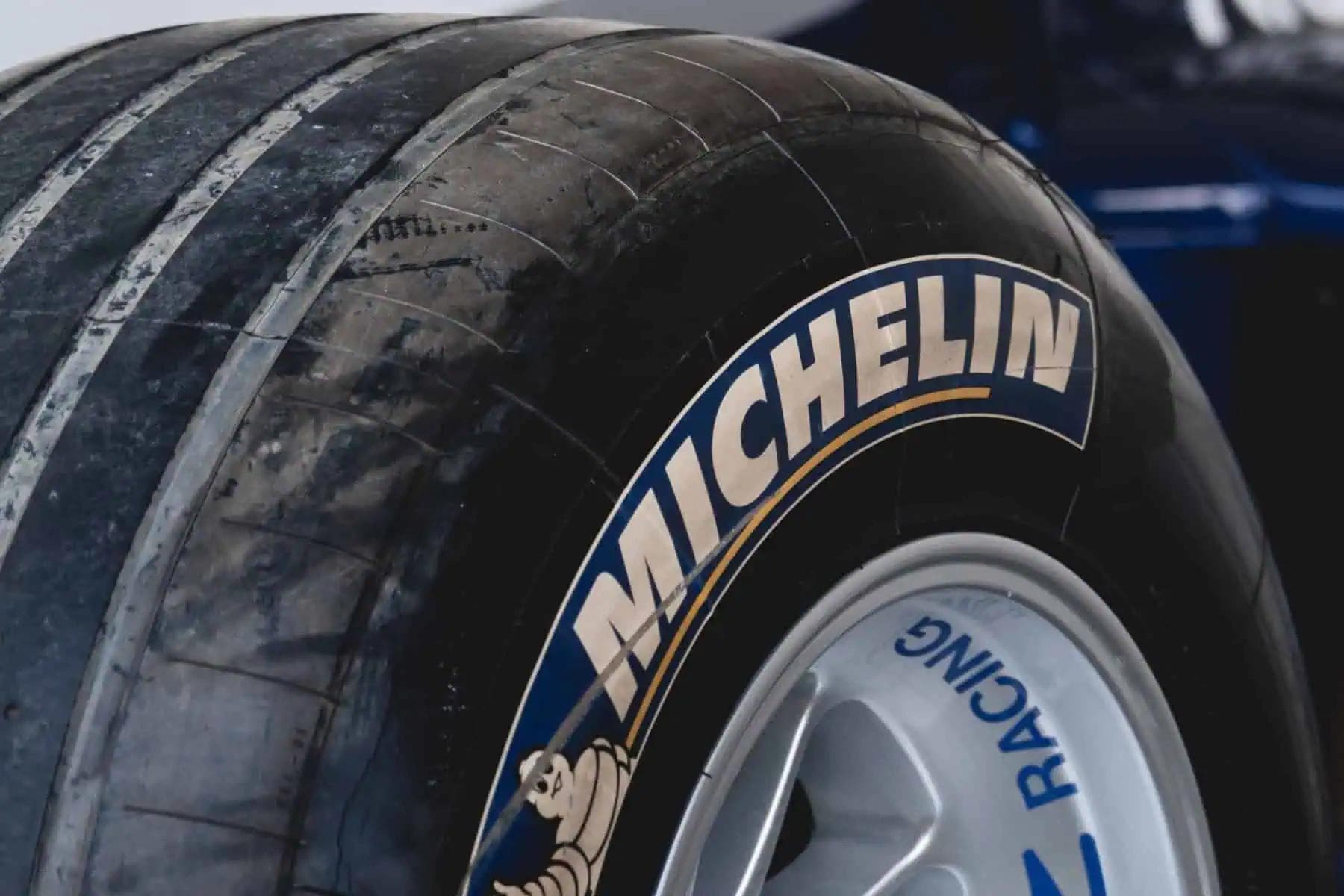
Graining, the rough, peeled surface that forms when a tyre slides repeatedly under cornering load, is the clearest signal of a car that is asking the tyre to do more than it can. In cooler conditions, or when a car arrives at a circuit with a setup that does not suit the surface, the tyre cannot generate enough temperature to properly bond its rubber to the road. Instead of gripping, it slides slightly on every corner, peeling micro-layers of rubber that fold back onto the surface and create a rough, inconsistent contact patch. The car starts to feel vague and unpredictable. What looks like a tyre problem is almost always a setup or temperature management problem.
Blistering is the more severe end of the same spectrum. Where graining is a temperature problem caused by running too cool, blistering is caused by running too hot. The internal temperature of the tyre rises beyond the compound's design limits, the rubber boils from the inside, and the surface begins to crater. In endurance racing, blistering is one of the most damaging outcomes a team can face mid-stint because it can force an unplanned pit stop, destroying the entire strategic plan built around tyre life.
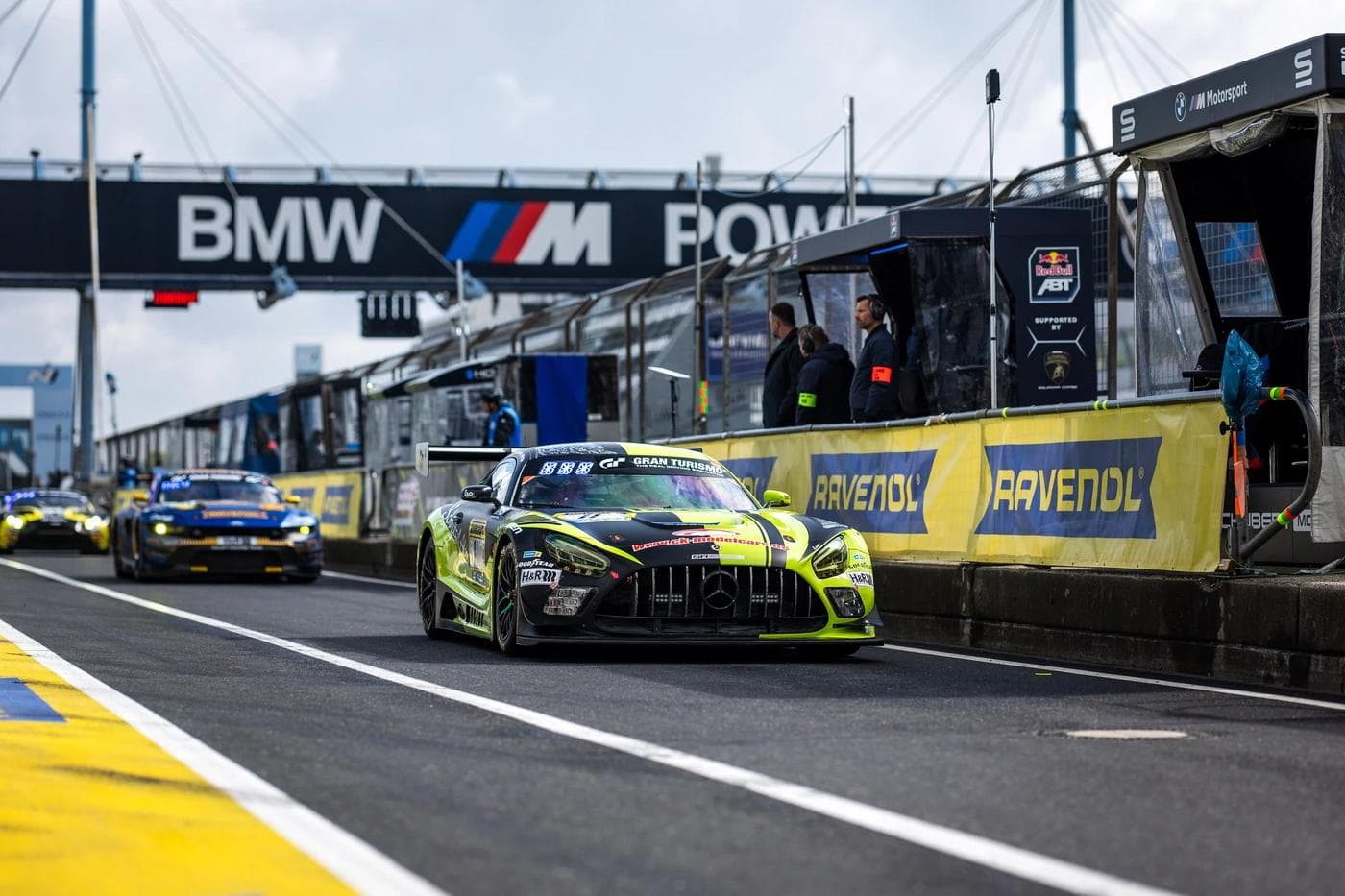
ADAC RAVENOL 24h Nürburgring
Three Categories, Three Relationships with Degradation
The relationship between a racing car and its tyres is shaped by the type of racing it does, and comparing categories reveals how differently degradation can be understood and managed.
GT3: Degradation as Setup Feedback
GT3 racing runs on controlled tyre specifications within most series, which means every team on the grid is working with the same compound. There is no compound strategy to hide behind. If one car is destroying its tyres faster than another, the difference is almost entirely setup and driving style.
This makes GT3 one of the clearest environments for reading degradation as a setup diagnostic. When you see a GT3 car consistently losing its rear tyres at a circuit with long, fast corners, you are looking at a team running too little rear downforce for those corner speeds, asking the rear tyres to generate mechanical grip in situations where aerodynamic load should be doing more of the work. When you see a car graining its fronts in the opening stint at a circuit with heavy braking zones, the likely cause is a front end running too stiff, not allowing the suspension to manage load transfer quickly enough during braking. The tyre is communicating the setup's weaknesses in real time. You just need to know what it is saying.
Endurance Racing: Degradation as Strategic Architecture
In endurance racing, tyre degradation is not just a setup problem. It is the foundation of the entire race strategy. At events like the Le Mans 24 Hours or the Spa 6 Hours, teams build their pit stop schedules around predicted tyre life, and any deviation from that prediction can cascade into a strategic collapse.
Picture the data screen at the end of a double stint. Two different drivers have just put laps on the same set of tyres. The wear map tells you exactly who was braking late, who was carrying speed through the apex, and who was asking the rear to do more than it had left. That is not guesswork. That is what the tyre has been recording for the entire stint. Teams use that information to match drivers to stints, to manage who takes the car when the tyres are freshest versus when they are at the end of their life.
This is also where the distinction between thermal and mechanical degradation becomes strategically significant. A tyre that is thermally degraded early in a stint, running above its temperature window in the opening laps, may actually stabilise and perform reasonably well for the remainder of its life if the driver manages it correctly. A tyre with heavy mechanical wear across its surface has no recovery. The strategic response to each is completely different, and reading which type of degradation is occurring, often from the pit wall using tyre temperature sensors and lap time data rather than direct visual inspection, is one of the most demanding real-time engineering tasks in motorsport.
Rally: Degradation as Prediction
Rally presents the most extreme version of the tyre management challenge because it removes almost all of the reactive tools available in circuit racing. There is no pit wall call to adjust the setup mid-stage. There is no option to change tyres between corners if the compound choice is wrong. The entire degradation strategy has to be resolved before the stage starts, based on a tyre selection made from road book notes, surface intelligence, and weather prediction.
Teams choose their compounds and spare tyre allocation before each leg of a rally. If the surface degrades the tyres faster than predicted, or if the weather changes the grip level and therefore the load being placed through the tyres, the consequences are immediate and unavoidable. A tyre that blisters on a long, fast gravel stage with no opportunity for early intervention can mean a puncture, a lost wheel, or a retirement.
This is why rally engineers treat degradation prediction as one of their most important pre-event tasks. Reading a stage from reconnaissance notes and translating that into a tyre selection that will survive the surface, the temperature, and the driver's pace is a form of engineering judgement that circuit racing rarely demands in quite the same way.
© Pirelli
the blame game
When tyre degradation exceeds predictions, the conversation often turns to driver blame. It is one of the most common and most misleading narratives in motorsport commentary.
The reality is more structured than that. If a driver is cited as the reason tyres are not lasting as long as expected, there are only two explanations worth considering.
The first is that the driver is not following the strategy. They are pushing beyond the pace targets set by the engineers, generating more heat and load through the tyres than the stint plan was built around. This is a driver management issue, and it is solvable with communication.
The second is that the strategy and mechanical setup were wrong from the start. The pace targets were set incorrectly, the compound choice did not suit the conditions or the circuit, or the car's geometry and aero balance were placing the tyres under loads the engineers had not accounted for. In this case, asking the driver to manage their way out of it is asking them to compensate for decisions made before the race started.
The same logic applies to aerodynamic configuration and fuel strategy. If the car is running an aero package that overstresses a particular axle, the tyres on that axle will tell you. If the fuel load at the start of a stint is heavier than expected and the pace targets were not adjusted accordingly, the front tyres will carry the evidence of every heavy braking event. Tyre wear is the receipt for every decision made before and during a race.
Reading the Car Through Its Tyres
When you see a car losing pace mid-stint, the question is not how many laps the tyres have left. The question is which part of the car is responsible for the wear pattern that is now costing lap time. Is it rear wear suggesting the driver is pushing the exit of slow corners too hard, or a rear aero balance that was set too low for the circuit's characteristics? Is it front-graining, suggesting the car arrived with a setup built for a different surface temperature? Is it thermal degradation on a single corner, pointing to a local aerodynamic or geometry issue that only shows itself under the load of that specific turn?
Across GT3, endurance racing, and rally, the categories differ in how much they can respond to degradation once it begins. What they share is the same fundamental principle.