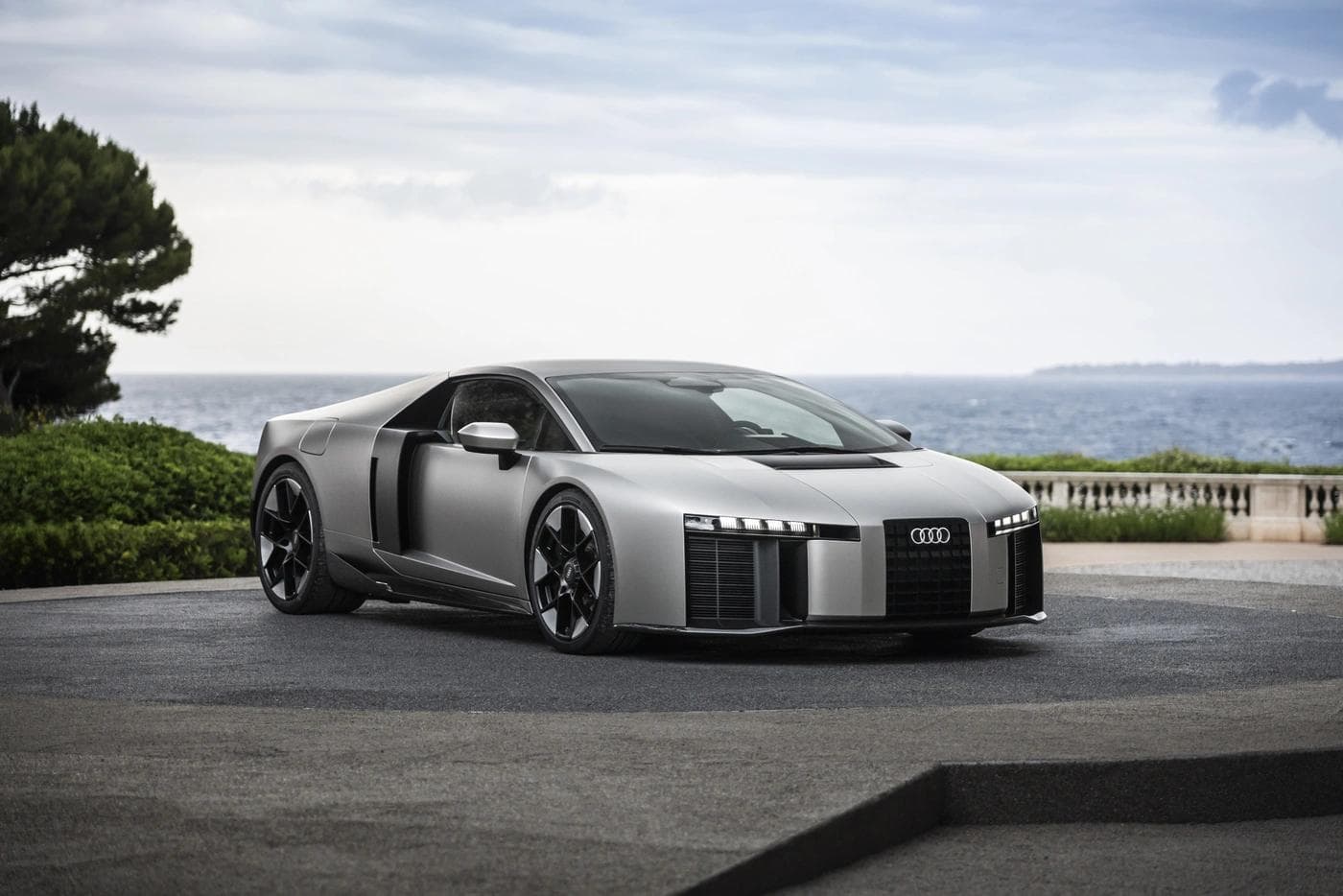
Audi unveiled the R8's successor last week. It is called the Nuvolari. It has 987hp, a twin-turbo V8 shared with the Lamborghini Temerario, three electric motors, and it looks like one of those Lego Bionicles with some minimalism.
I’m surprised that this is the design language Audi has chosen for their most powerful and most expensive production car in its history, a £500,000 limited-run halo for a brand that needs one.
This is the standard pattern for the industry now. The Nuvolari is not the worst offender. But it is the latest example of something the industry has stopped pretending about. Modern cars are no longer designed to be admired. They are designed to be argued about.
Beauty earns slow appreciation that builds over years. Controversy earns immediate attention, free press, social media reach, and the kind of polarised commentary that pushes a car into the conversation, whether people like it or not.
For a marketing department under pressure to justify spend, controversy is the easier sell. The car gets discussed. The brand gets visibility. The fact that a significant portion of the audience hates the result is not an accident.
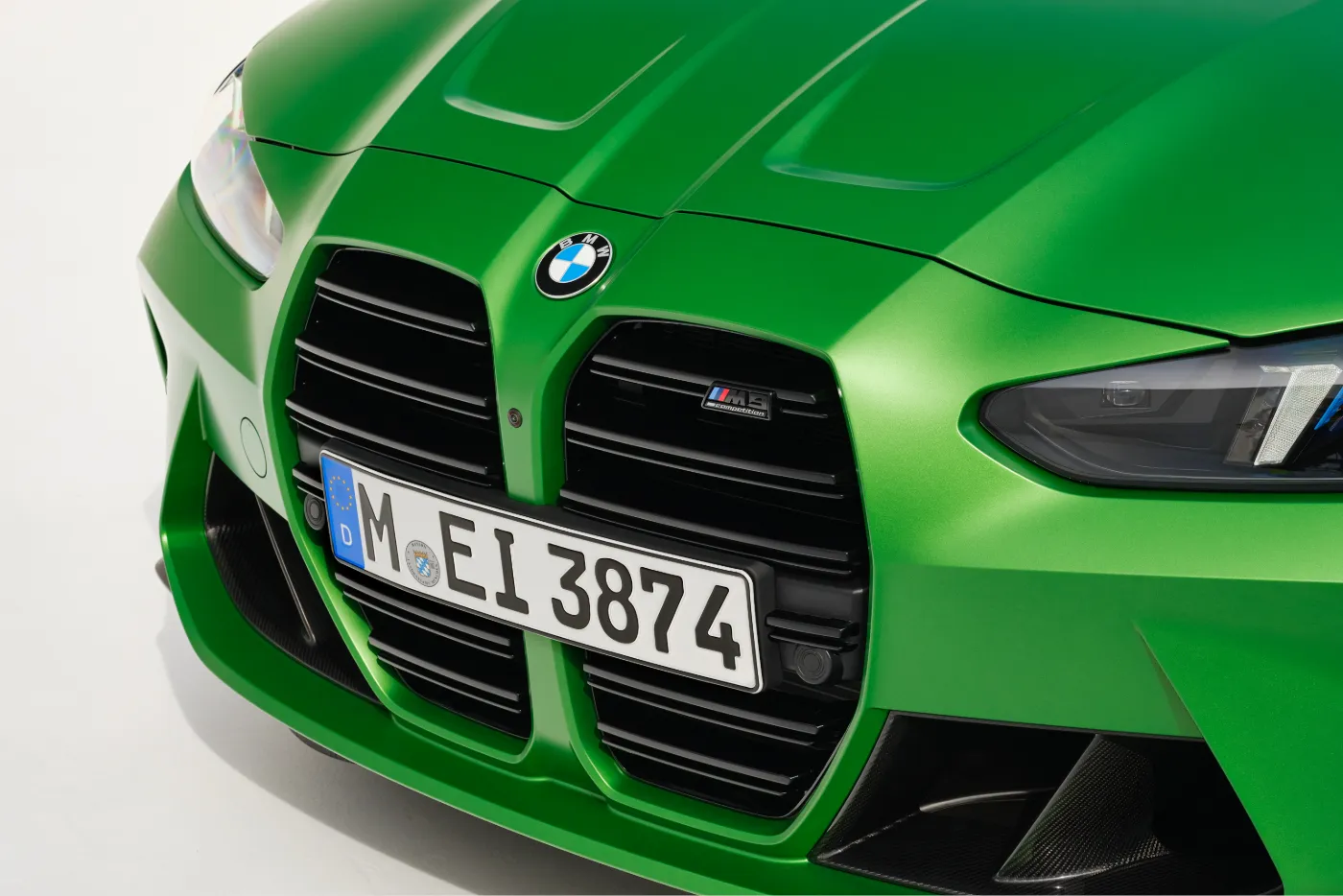
2025 BMW M3 Competition LCI
© BMW
Why the M3 gets away with it
The BMW G80 M3 is the case study for why this strategy survives. The grilles were the headline in the press and comments sections for months, but (thankfully) the whole car has been redesigned to be superior to the F80 that preceded it. Sharper surfacing along the sides, more pronounced cladding around the arches, deeper power domes in the bonnet, larger exhaust finishers, and a vertical bias to the front that puts the kidneys at the centre of gravity for the entire face.
The F80 reads as the last clean evolution of the E90 lineage, which suits my taste in design. But the G80 is a car that was designed to be photographed and discussed. This worked for BMW because what's underneath is good enough to justify it. The S58 is a great engine, the chassis is sharper than the F80's, and the car is faster and more capable than its predecessor. Buyers shrugged at the grilles and signed the order forms. BMW now treats this as proof that polarising design works.
The problem is that this only works when the product can support the design. When it can't, you're left with the controversy and nothing else.
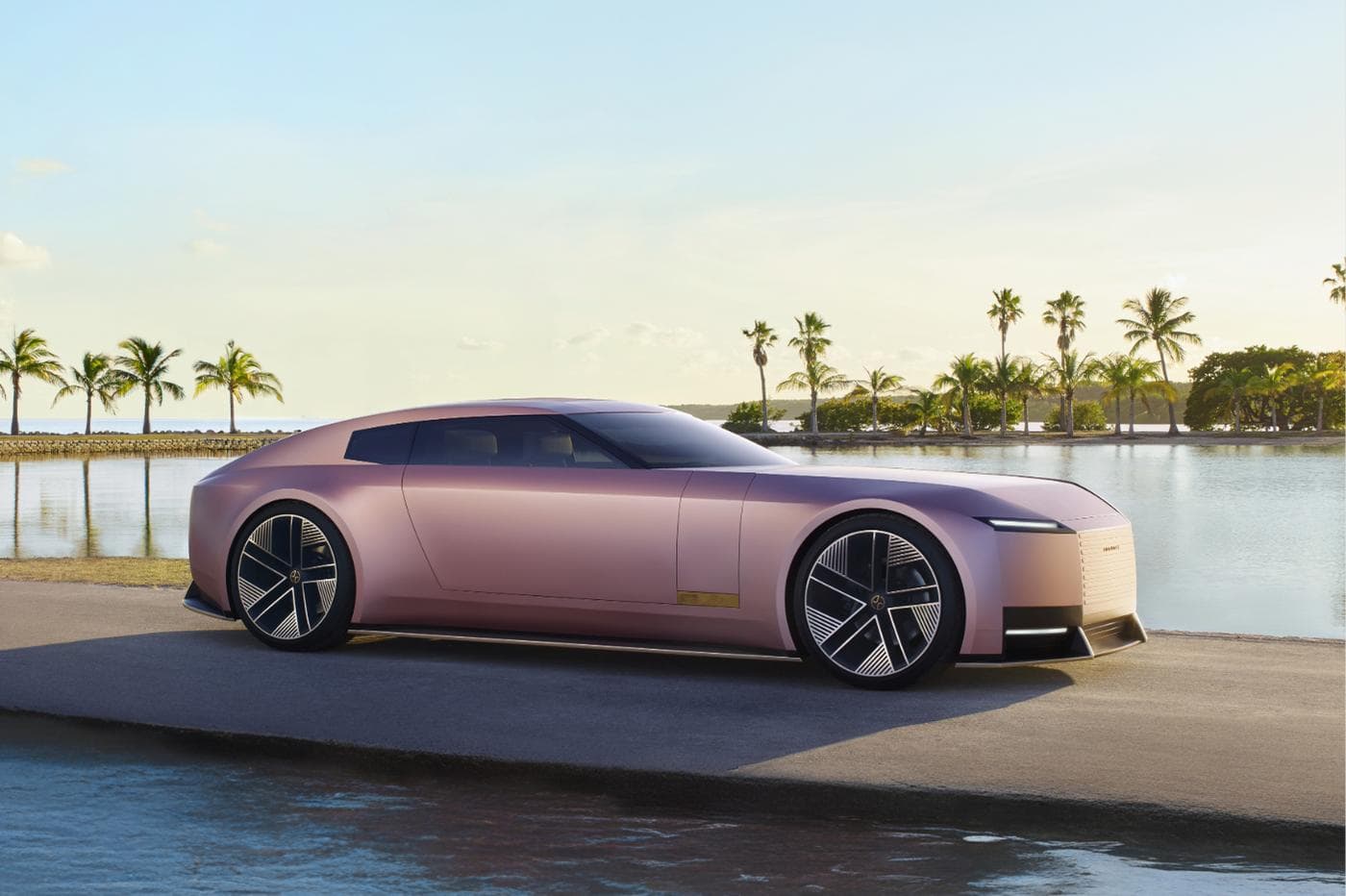
The Jaguar Type 00 in Miami Pink, unveiled at Miami Art Week 2024.
© Jaguar
Why others Aren't So Lucky
Jaguar is the obvious case. The rebrand and the marketing campaign got enormous attention, almost none of it useful to the brand. The car behind it, an electric four-door GT aimed at a buyer Jaguar didn't previously serve, was supposed to make all that attention pay off. It hasn't (not yet at least). They led with the campaign and hoped the car would catch up.
Mercedes is the more telling case. The EQS and EQE were the brand's statement that EVs need a different design vocabulary. They wore the smoothed-over, jelly-bean proportions that engineering teams justified on the grounds of drag coefficient. Customers didn't buy it. Mercedes has lost the designer who shaped its visual identity for nearly thirty years, and the company has announced that the EQ name is going away and that a coherent design language will be used across the entire portfolio. That's as close as the industry gets to admitting EV-specific design was a marketing position dressed up as physics. The drag gains were real but small. The damage to the brand wasn't.
Ferrari's Luce sedan is next. The Mercedes-AMG electric GT four-door is after that. Both launched into a market that had already told the manufacturers what it thinks, and both proceeded anyway.
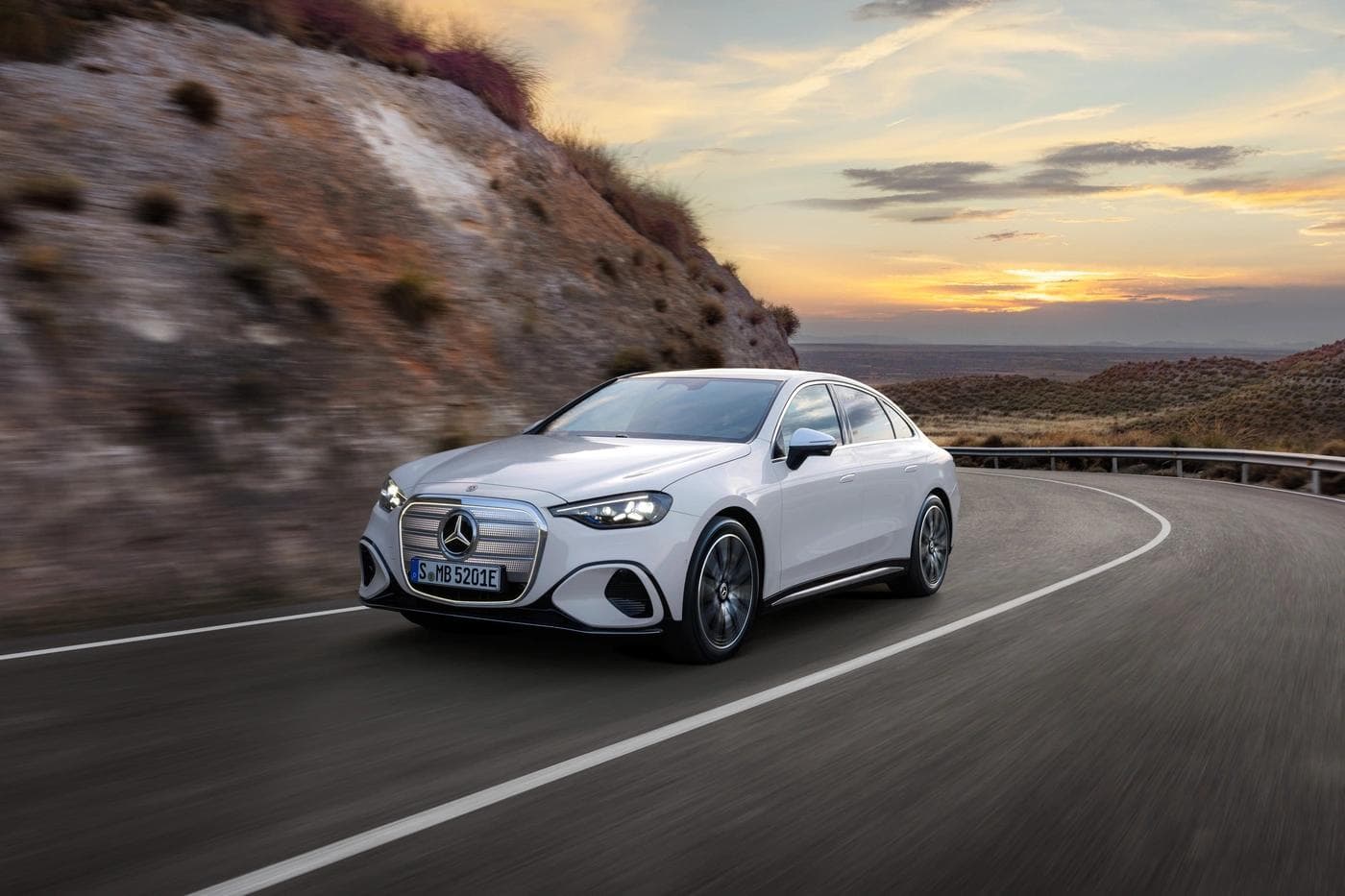
2026 Mercedes-Benz C-Class with EQ Technology
© Mercedes-Benz
The engineering alibi
The usual defence is engineering. Bigger grilles for cooling. Higher cowls for pedestrian impact regulation. Smoother shapes for aerodynamics. It's all true for the most part, but none of it justifies the result.
A grille doesn't need to run the full height of the front bumper to feed a radiator. Production cars have managed adequate cooling for years with split-intake designs, lower mouth openings, and active shutter systems. The G80's vertical kidney shape isn't what cooling demands. It's what the design team decided to draw, and the engineering team accommodated.
Pedestrian regulation changes the bonnet line. It doesn't require aggressive surfacing, confrontational lighting, or pronounced cladding. Aerodynamics improves with smoother surfaces, but the EQS proportions weren't the only way to get there. Mercedes has proved that with the current C-Class EV, which manages 0.22 with a far more conventional silhouette.
The engineering constraints are real. They're not what's causing this.
What is actually happening
I can’t help feeling that design has been promoted from a craft discipline into a marketing function. The brief used to be "make this car beautiful." Now it's "make this car a topic." Topics show up in the metrics instantly. Beauty doesn't, and might not for years.
Cars used to be stunning. The Jaguar E-Type wasn’t popular because of its design language being controversial. Quite the opposite. It was unanimously known for being beautiful.
This is why design language across manufacturers has converged on the same toolkit. Sharper edges. Larger features. More exaggeration. The differentiation isn't in the philosophy; it's in which feature gets pushed furthest. BMW pushed the grille. Mercedes pushed the surfacing and the screens. Audi has pushed the lighting signature and, with the Nuvolari, the bodywork into something close to abstraction.
The test for a controversial design is simple. Is the car underneath good enough to justify it? The G80 M3 is. The original R8 sold on its proportions and its V10. Whether the Nuvolari can sell on its mechanicals against a Lamborghini Temerario, which shares most of the components and wears a more conventional body, is what the next twelve months will tell us.
A polarising car can still be a great car. But beauty isn't an outdated objective. It outlasts the marketing cycle, and no budget can add it back later.
Designers still know how to draw beautiful cars. They're being asked not to.
Fight me.