Before 2021, the biggest teams in Formula 1 were spending north of $400 million a season. Red Bull. Ferrari. Mercedes. All of them building a financial arms race that smaller teams simply could not enter.
Then the FIA introduced the cost cap. And most people assumed that fixed it.
It did not.
What the Cap Actually Is
Inside the cap: car design and development, aerodynamics, race operations, testing, and most staff salaries. Outside the cap: driver pay, the three highest-paid staff members, marketing, hospitality, and big-ticket infrastructure like new factories and wind tunnels.
That last part matters. A lot.
The hiring of technical stars like Adrian Newey at Aston Martin escapes the budget cap entirely. So a team can bring in one of the most influential car designers in the sport’s history and the cap does not register it. Not even slightly.
This is not a loophole. It is written into the rules.
The $215 Million Number Is Misleading
For 2026, the cap jumped from $135 million to $215 million. On paper, that looks like teams suddenly have a much bigger budget. The FIA’s own financial regulations director has since confirmed what the number actually represents: accumulated inflation since 2021, plus costs that were already being incurred outside the previous perimeter, now brought inside it.
Put simply, teams were already spending this money. The FIA just moved the accounting line.
From 2026, the revised perimeter also brings in previously excluded items, including sprint races, and introduces a geographical adjustment for teams operating in high-wage countries. Audi, based in Switzerland where salaries run 35 to 45 per cent higher than in the UK, receives a corresponding allowance. Again, this is not new spending power. It is a more accurate accounting of spending that was already happening.
Having studied how these cars are actually built and developed, that distinction is important. The cap controls where money is recorded, not always where influence is felt. Capping spend and capping capability are not the same thing. Spend can be limited by a regulation. Capability, which is built from engineering culture, institutional knowledge, and the depth of a technical department, cannot be entered on a balance sheet. You cannot cap those things, and the FIA is not really trying to.
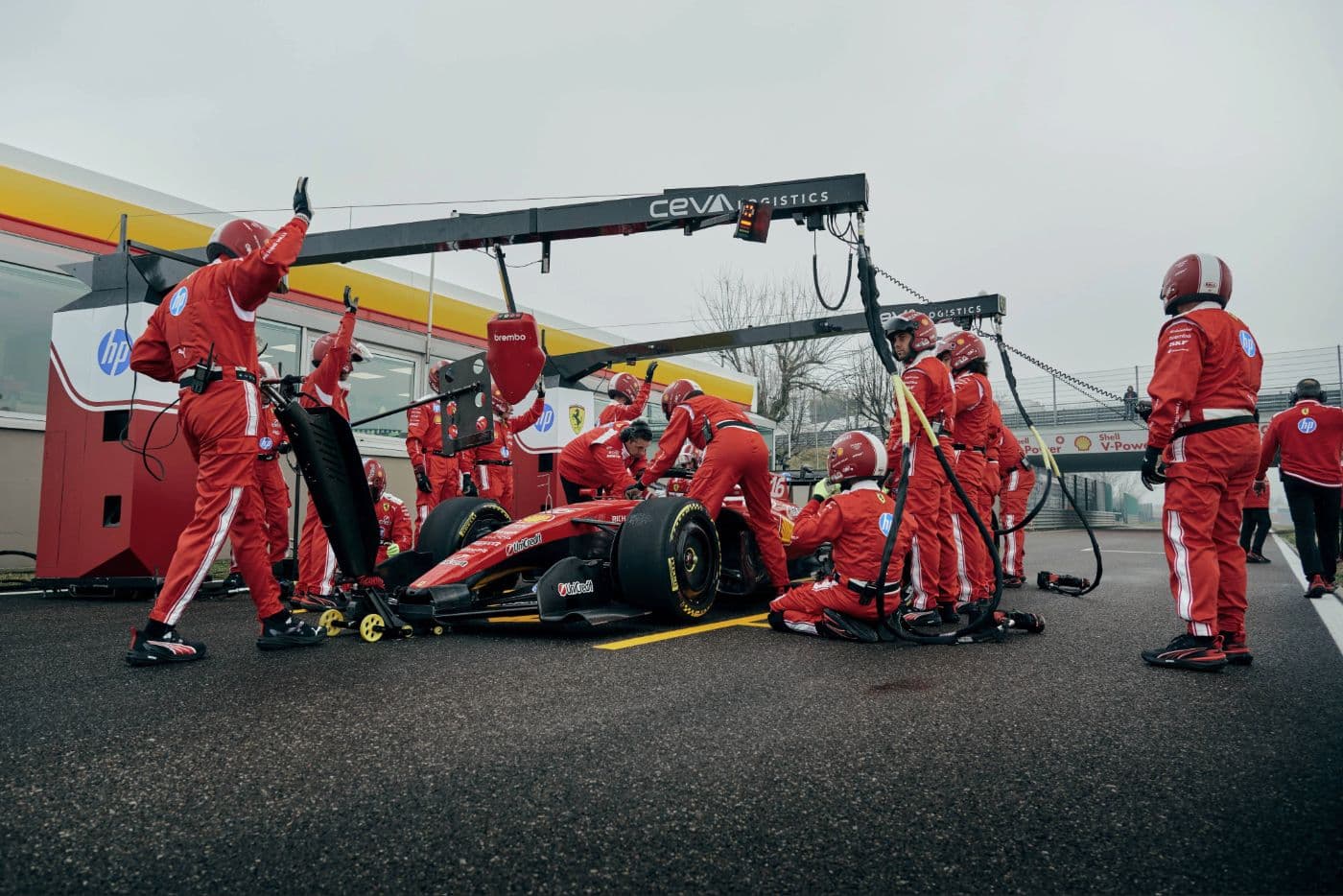
© Ferrari S.p.A
Where the Real Edges Are
If the biggest teams cannot outspend each other on car development, where does the advantage come from?
Several places.
Some teams are loading up on bonus-heavy pay structures for rank-and-file staff, while drivers and top management remain outside the cap entirely. There is also the infrastructure question. Major investments in factories and wind tunnels can still be structured in ways that sit at the edges of the cap’s reach.
Wind tunnel time and CFD allocation are worth paying attention to here. These are the actual bottlenecks in car development, not raw spend. The current allocation system gives more tunnel time to lower-performing teams, which sounds equitable in principle. But the stronger argument is simpler: every team should receive the same allocation and be free to use it as they see fit. One team with a more sophisticated simulation pipeline will extract far more from the same allocation than one still refining its processes. Equalising the tools is straightforward. Equalising what you can do with them is not. That gap between resource and capability is something the sport has always understood, and it is the same dynamic that has driven motorsport innovations into road car design for decades.
What Enforcement Actually Looks Like
The FIA has moved to tighten compliance since the cap was introduced. From 2025, on-site audits increased to twice per year for teams with complex corporate structures or affiliated manufacturing divisions. The process is not a one-off annual filing. Teams are in continuous dialogue with the FIA’s Cost Cap Administration throughout the season.
Even so, the limits of enforcement are visible. In its most recent findings covering the 2024 season, the FIA confirmed all ten teams met the cap but found Aston Martin in procedural breach, a paperwork issue rather than an overspend, resulting in a small administrative fee. It is a reminder that compliance is an ongoing operational challenge, not a binary pass or fail.
The only team to actually breach the cap on spending remains Red Bull in 2021, fined $7 million and handed a ten per cent reduction in wind tunnel and CFD testing. The penalty structure for minor overspend is deliberately left ambiguous, partly to prevent teams from calculating whether breaching the cap is commercially worthwhile. Whether that ambiguity is itself a gap in the regulation is a reasonable question.
What It Has Actually Done
I’ll give credit where it is due.
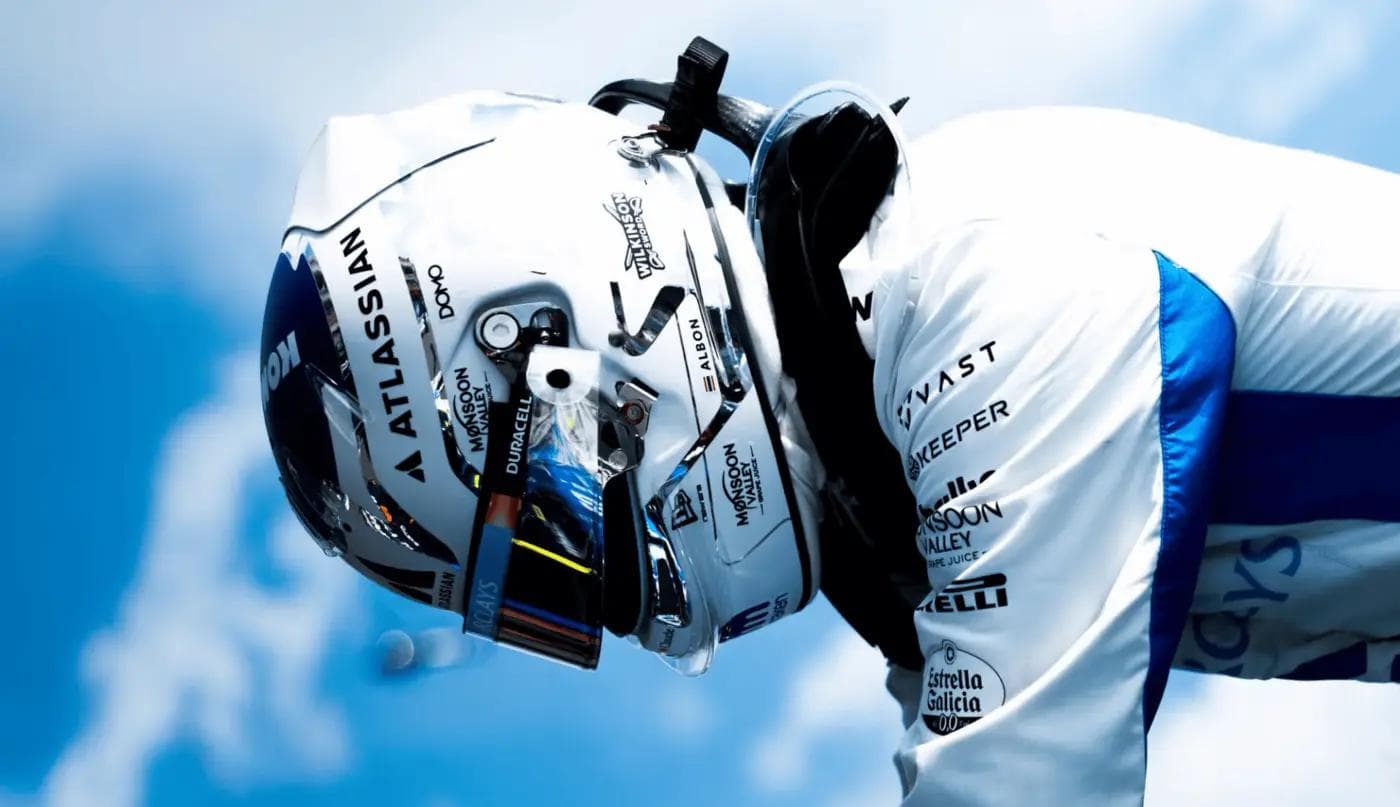
The results on track do reflect a genuine shift, one that was needed. Teams that previously had no realistic prospect of competing with the top three are now able to close gaps through quality of thinking rather than volume of spending. At the 2026 Miami Grand Prix, Williams brought both cars home in the points, with Carlos Sainz and Alex Albon finishing ninth and tenth. That kind of consistent points-scoring was not realistic for Williams in the pre-cap era.
James Vowles has done an excellent job since joining as team principal, and that deserves recognition on its own terms. But the Williams story also illustrates something more specific about how the cap shapes decision-making inside a team. Speaking recently about the FW48 weight reduction programme, Vowles was direct about the constraint: the engineering work to bring the car below the weight limit is complete, but the cap determines when those parts can actually appear on the car. Replacing usable stock immediately, before it has reached its mileage limits, is simply not efficient under the regulations. So lighter components are introduced gradually, timed to coincide with aerodynamic development cycles to avoid wasting spend on parts that do the same job twice.
That is not a criticism of the cap. Vowles himself describes it as a very good thing. But it is a precise illustration of what the cap actually does in practice -- it does not just limit what you spend, it governs when and how you spend it. Strategy and timing become as important as engineering quality. That is a genuinely different way of going racing, and Williams are navigating it better than most. The regulation is a tool that levels the environment. It does not do the work.
It is also worth being honest about the limits of that argument. Racing regulations have always existed to level the playing field and produce competitive racing. Everybody in the sport understands that one team dominating every weekend is bad for the product. The cap formalises something the sport was already trying to manage through technical regulations. What it adds is a financial floor that smaller teams can actually stand on.
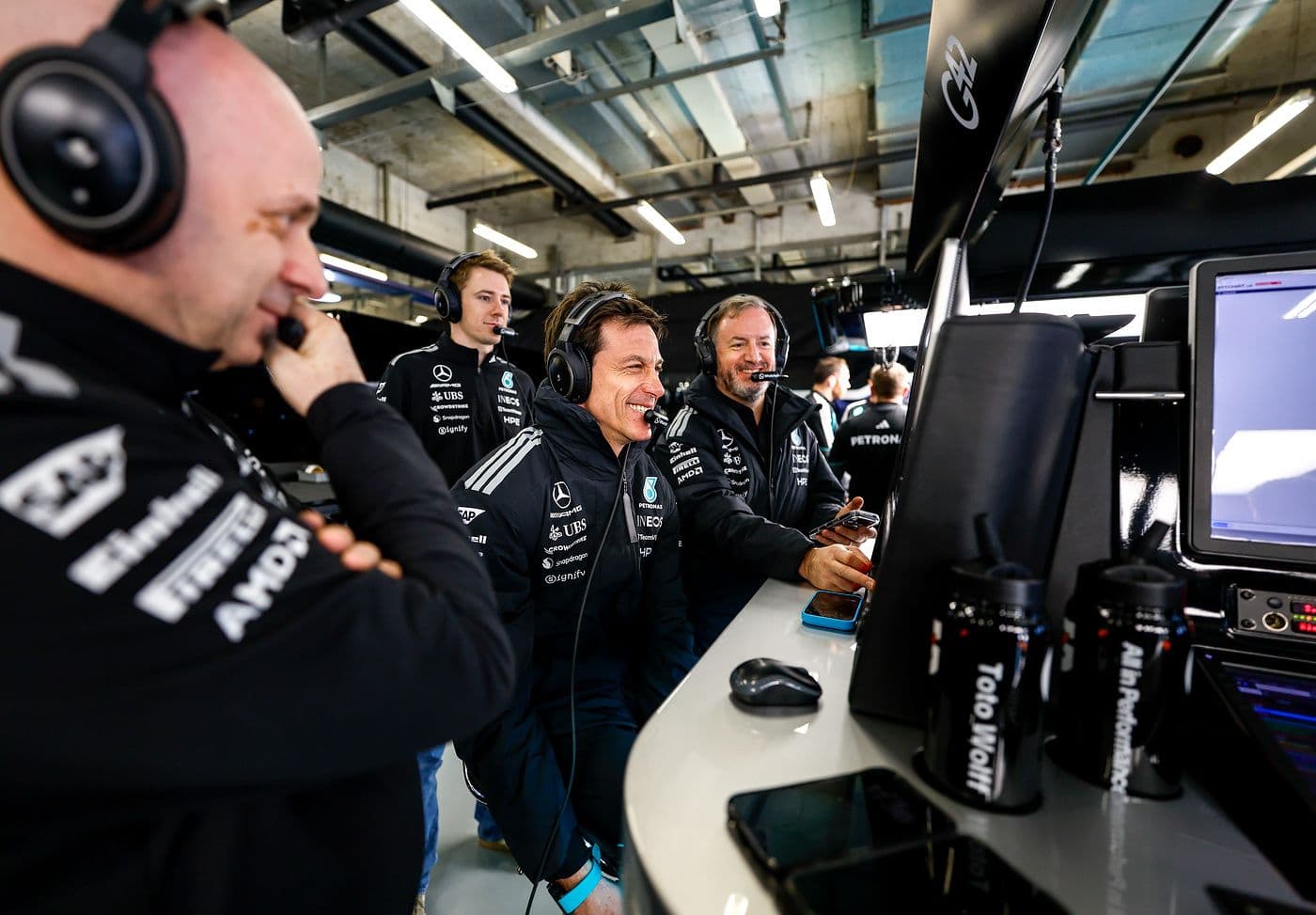
© Mercedes-AMG PETRONAS F1 · © Jiri Krenek
The 2026 Reset Tells You Something
The 2026 regulation cycle brought the most significant technical changes the sport has seen in years, with revised power unit architecture and new active aerodynamics. When regulation cycles reset, the assumption from outside the sport is that everything resets with them.
Mercedes have been the strongest team through the opening rounds of 2026. But the more interesting point is not who is winning, it is what the reset itself represents. A major regulation change genuinely shifts the competitive order in ways that are difficult to predict in advance. That unpredictability is arguably the most valuable thing a regulation change can deliver, because it forces every team back to first principles regardless of what they spent the previous season.
What the early 2026 picture does confirm is that financial parity and competitive parity remain related but not equivalent. A team’s ability to interpret a new set of regulations, correlate its CFD data with real-world performance, and iterate quickly is a function of how it is organised and how it thinks. The cap does not touch any of that. But a regulation reset, more than any financial rule, is what genuinely tests those capabilities under pressure.
© The Williams Group
What Comes Next
Formula 1 and the FIA are reviewing whether the structure should continue beyond 2026 in its current form. Smaller teams want to retain and expand it. Some top manufacturers have voiced concerns over its rigidity.
That tension tells you everything. The teams who benefit from the cap want more of it. The teams who have found ways to work within it while maintaining an advantage want more flexibility.
The cost cap is one of the most meaningful structural changes to happen to Formula 1 in a generation. Whether it is generous to call it that depends on what you think it was supposed to achieve. If the goal was to prevent the sport from becoming financially unsustainable for all but three teams, it has made real progress. If the goal was a genuinely level playing field, the gaps that remain suggest the work is far from finished.
Watching how the FIA tightens those gaps through 2026 and beyond is, genuinely, one of the most interesting stories in the sport right now. Not because the outcome is certain, but because, for the first time in a long time, it is actually uncertain.